When it comes to vehicle safety, few things are as important as your fitted tyres. At Wing Park Motors, we regularly see vehicles with worn or unsafe tyres that could easily have been identified during a simple check at home.
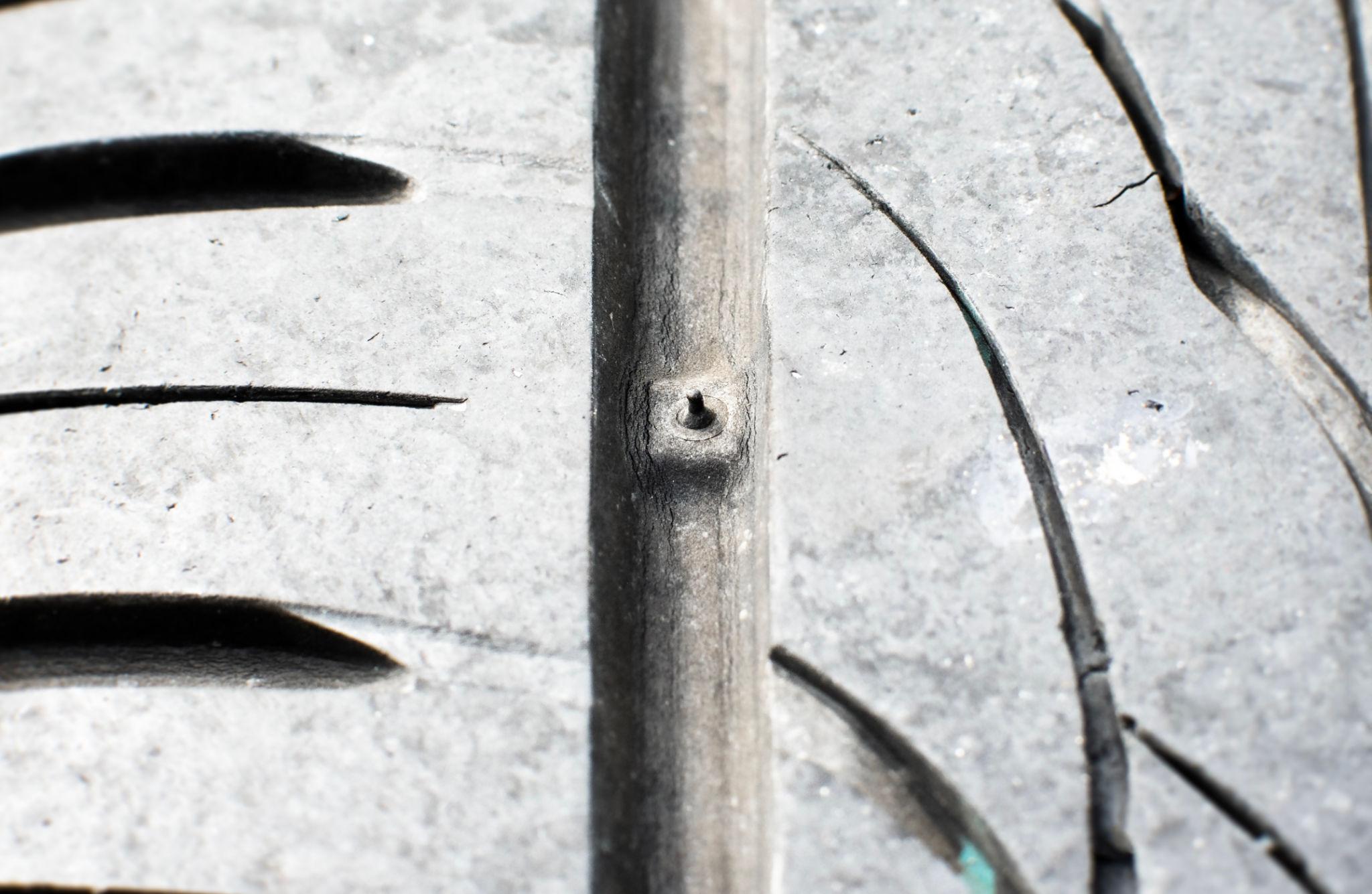
Checking your legal tyre tread depth is one of the most important checks you can make on your car. The tyres are the only point of contact between your vehicle and the road. If your tyres are past their best, then the safety of your vehicle will be compromised. Driving a car with bald tyres can result in a £2,500 fine and three penalty points. That’s per tyre, too. If all four tyres are worn below the legal limit, you could potentially be summoned to court, lose your licence and face a £10,000 fine.
In this guide, we’ll explain the UK tyre tread depth law, how to properly check your tyres, and why keeping your fitted tyres in good condition is essential for safety.
In the UK, the legal minimum tyre tread depth for cars is:
1.6mm across the central three-quarters of the tyre, around the entire circumference.
This law applies to:
Anything below 1.6mm is illegal and considered unsafe. However, many safety experts recommend replacing tyres at 3mm, as braking performance significantly reduces once the tread drops below this level.
At Wing Park Motors, we advise drivers not to wait until the legal minimum is reached. Your stopping distance increases as tread depth decreases — especially in wet weather.
Your fitted tyres are responsible for:
Tyres are designed with grooves that channel water away from the contact patch. As tread wears down, this ability reduces dramatically, increasing the risk of aquaplaning.
At 1.6mm, your tyres can take almost twice as long to stop in wet conditions compared to tyres with 8mm of tread.
Even in dry conditions, worn tyres increase braking distances. When driving at motorway speeds, those extra metres can make the difference between a near miss and a serious collision.
Checking your tyre tread is quick and easy. Here’s how:
A digital or manual tread depth gauge provides the most accurate reading. Insert it into the main grooves and measure several points around each tyre.
Insert a 20p coin into the tyre tread groove. If the coin’s outer band is visible, your tyres may be below the legal limit and require a professional inspection.
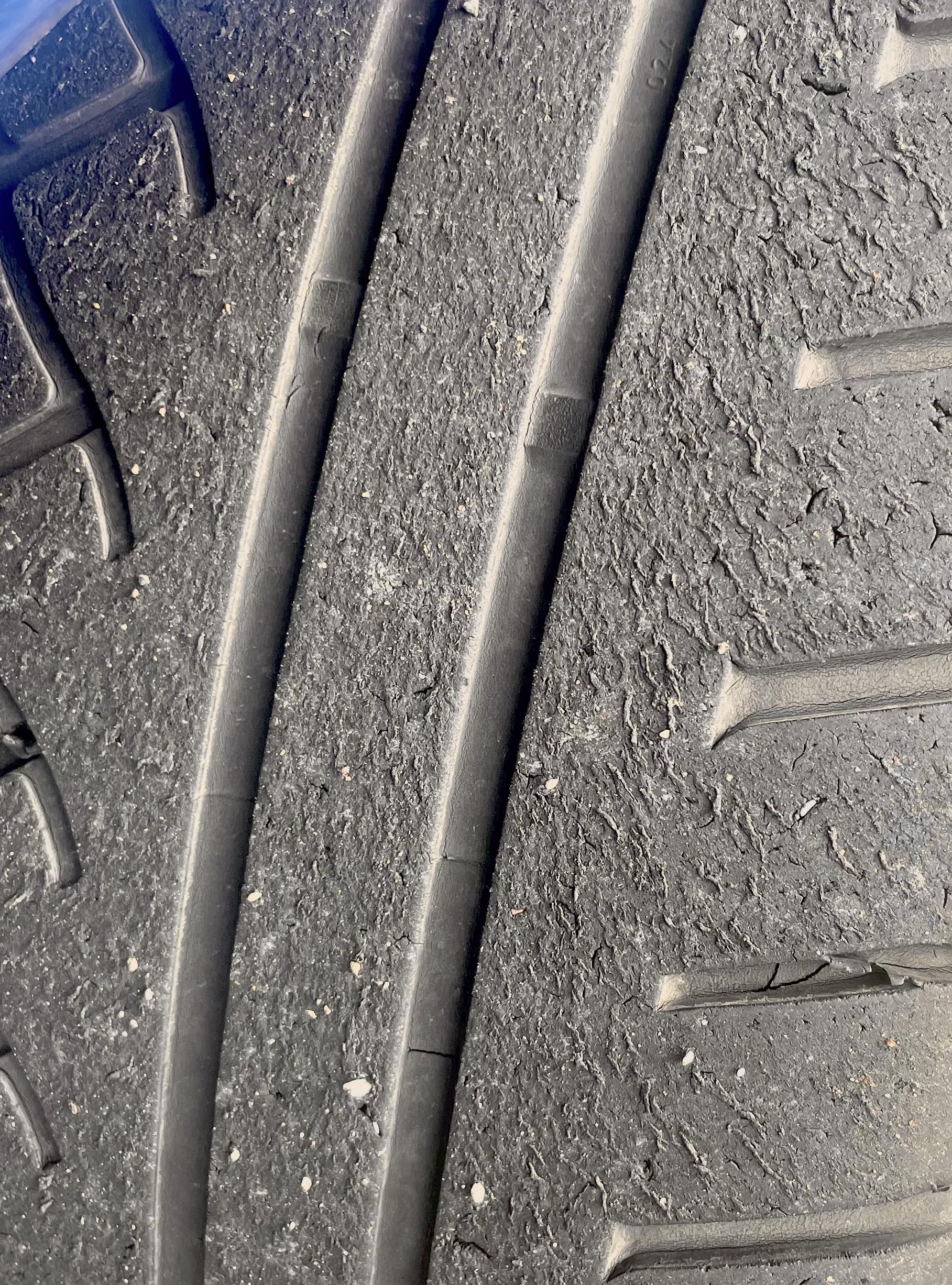
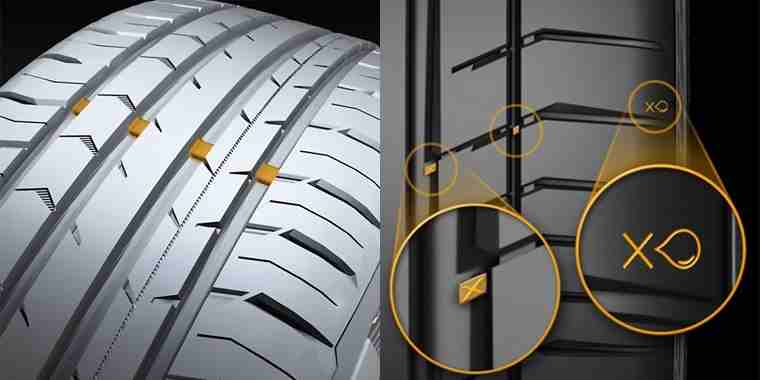
Modern fitted tyres have built-in tread wear indicators — small raised bars inside the grooves. If the tread is level with these bars, it’s time to replace the tyre.
The legal requirement applies across the central three-quarters of the tyre and around its full circumference. Uneven wear could indicate alignment or suspension issues.
Many drivers underestimate the seriousness of tyre law.
Driving with tyres below the legal limit can result in:
If all four tyres are illegal, that’s 12 penalty points — enough to lose your licence in one inspection.
Routine tyre checks can prevent unnecessary fines and keep you safe on the road.
Aside from tread depth, look out for:
Even if tread depth appears legal, ageing rubber can harden and lose grip.
At Wing Park Motors, we inspect not just tread depth but overall tyre condition when assessing fitted tyres.
We recommend checking your tyres:
Regular checks take just a few minutes but can save lives — including your own.
When it’s time to replace your tyres, professional fitting matters. Correct installation ensures:
At Wing Park Motors, we supply and fit quality tyres suited to your vehicle and driving style. Whether you need budget, mid-range or premium fitted tyres, our team will recommend the best option for safety and performance.
We also provide honest tread assessments — if your tyres are safe, we’ll tell you.
Your tyres are the only part of your vehicle that touches the road. Everything — acceleration, braking and steering — depends on those four contact patches.
Checking your legal tyre tread depth is one of the most important checks you can make on your car. The tyres are the only point of contact between your vehicle and the road. If your tyres are past their best, then the safety of your vehicle will be compromised.
With fines of up to £2,500 per tyre and the possibility of losing your licence, there’s no reason to ignore worn tyres.
If you’re unsure about the condition of your fitted tyres, contact Wing Park Motors today for a professional tyre safety check and expert advice.
Stay safe. Stay legal. Drive with confidence.